The world keeps what you made.
Field Notes keeps who you are.

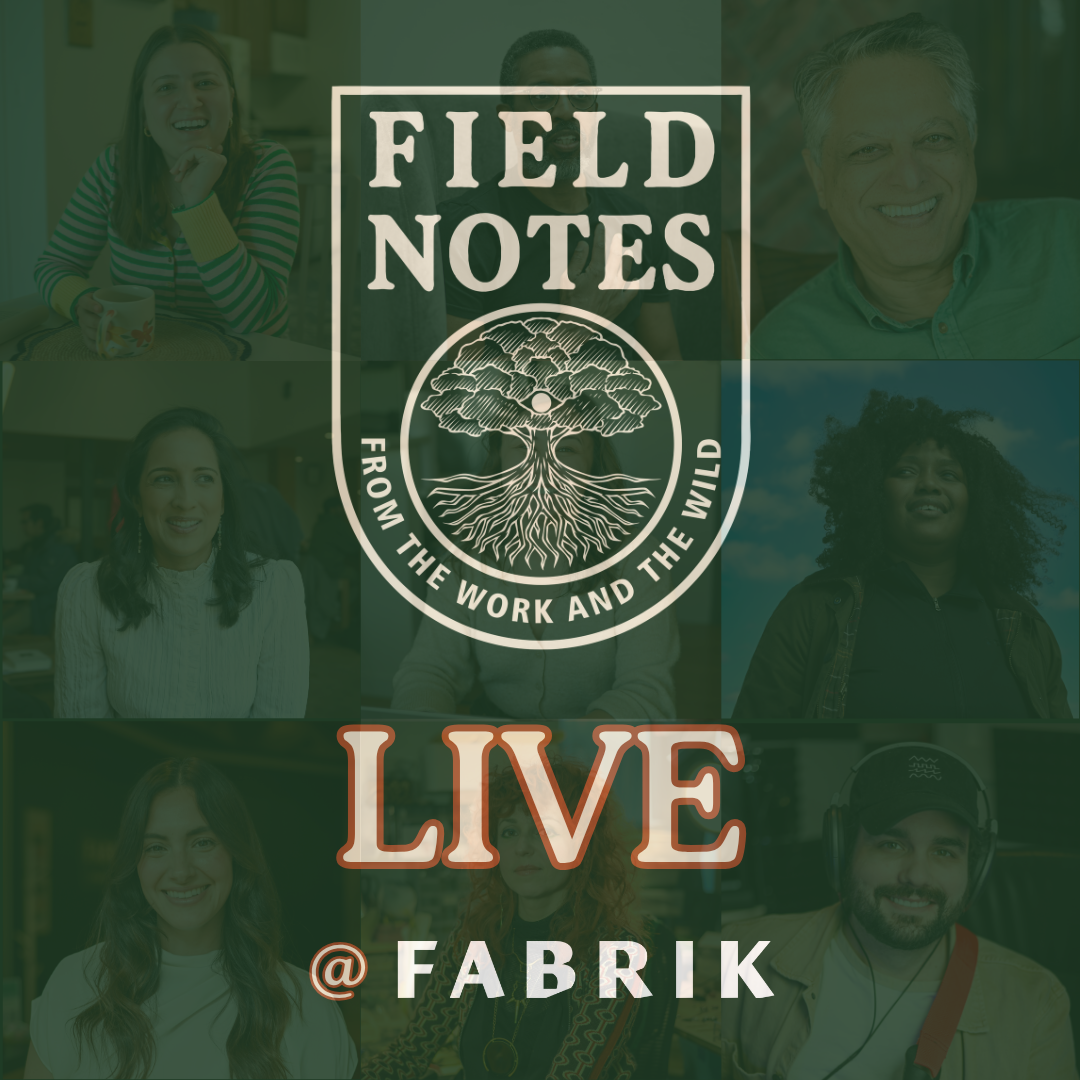
Field Notes LIVE
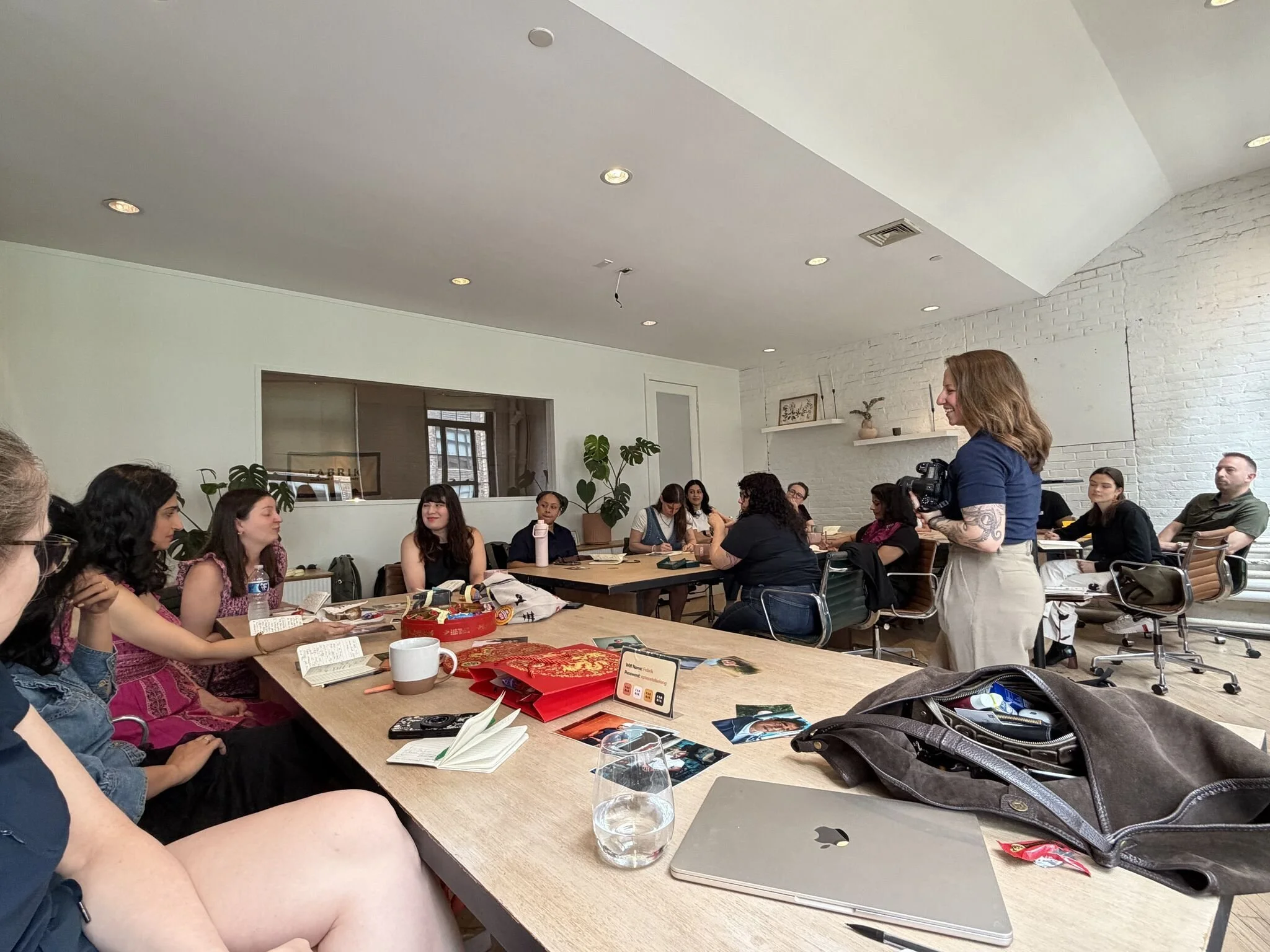
September 26 @ Fabrik, NYC
When do you feel most like yourself?
That's the question every Field Notes session starts with — the first of many, asked slowly, over hours, until people stop describing their jobs and start describing their actual lives.
Meeting people you wouldn't have met otherwise
What it is: A room of strangers, mixed on purpose.
What you get: You leave knowing people you didn't know this morning. What comes from that is yours.The portrait experience
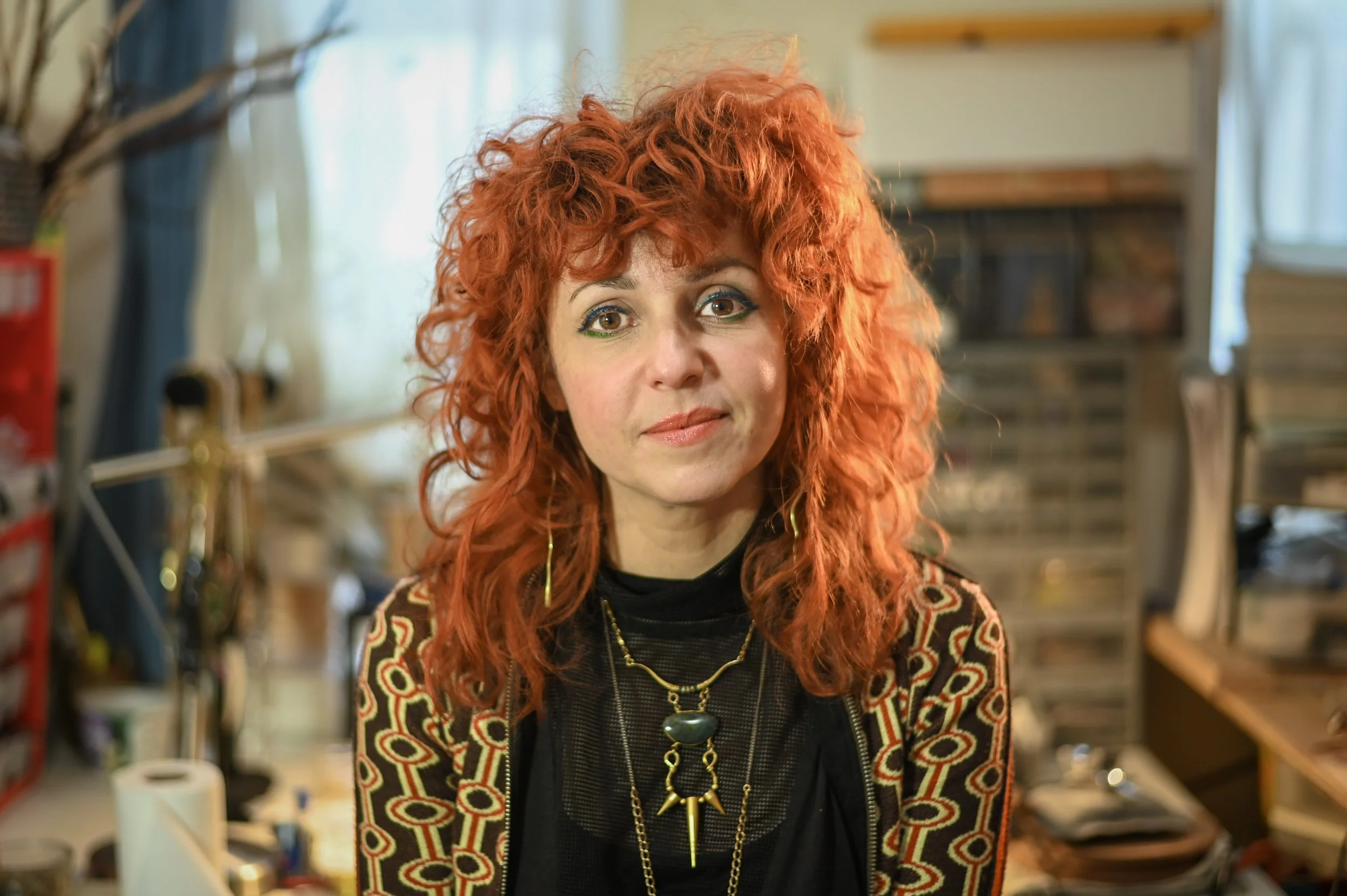
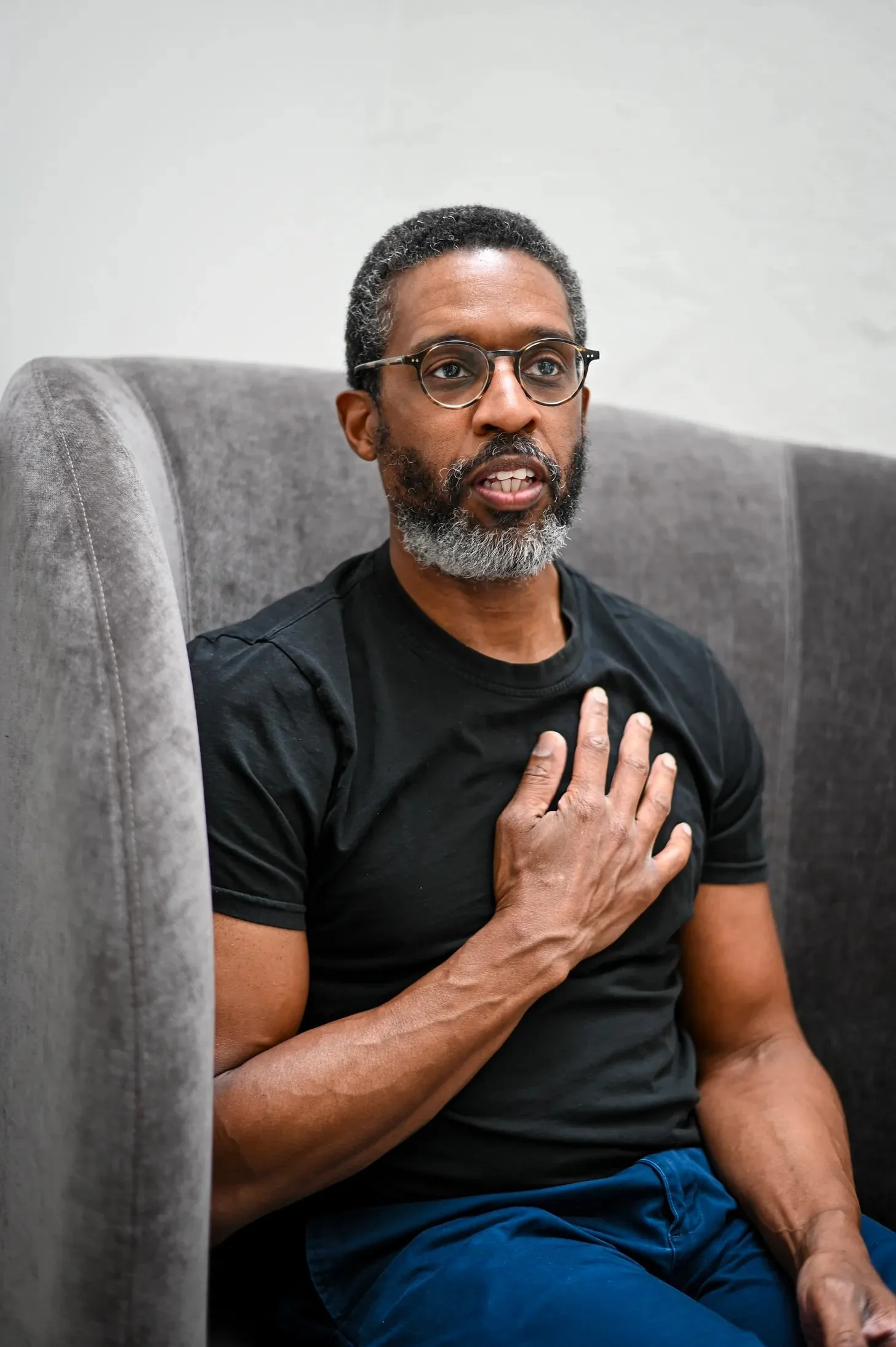
What it is: Lindsey and Aura will be on site to take portraits of you twice during the day, both before and after the workshop.
What you get: Two different portraits of yourself to use wherever you want! LinkedIn, IG, etc. A printed copy to take with you on the day of.Space to connect with yourself
What it is: Time alone, on paper, with something you've been carrying.
What you get: You come back to yourself. That's the whole practice.
The whole point of this is to connect with yourself and connect with other people.
Field Notes from the Work (and the Wild) is a living archive of lived experience, craft, and quiet labor.
Most people tell the story of who made the thing. Field Notes tells the story of how the thing made the person - the routines, hesitations, and quiet decisions that shape someone long before the work is ever recognized. The outcome is rarely the point. The years that made someone into the person who could pull it off is what we keep a record of.
This is a documentary and spiritual practice.
The forms the work takes
A Field Note
The full documentary record - a conversational and environmental portrait, a written piece, and an audio spoken record produced together from a single session.
A Field Note documents the invisible labor beneath someone's visible work: the preparation, the permission moments, the years of practice that precede every outcome anyone else gets to see. Published on Substack. Growing every day.
A Spoken Record
The audio form of a Field Note - a life documented in voice, witnessed live. A new category. The subject is not performing; they are being witnessed by someone who knows how to hold complexity and create the conditions for something true to surface. It carries the compression of poetry and the specificity of documentary in a form no existing category has named before.
The Portrait
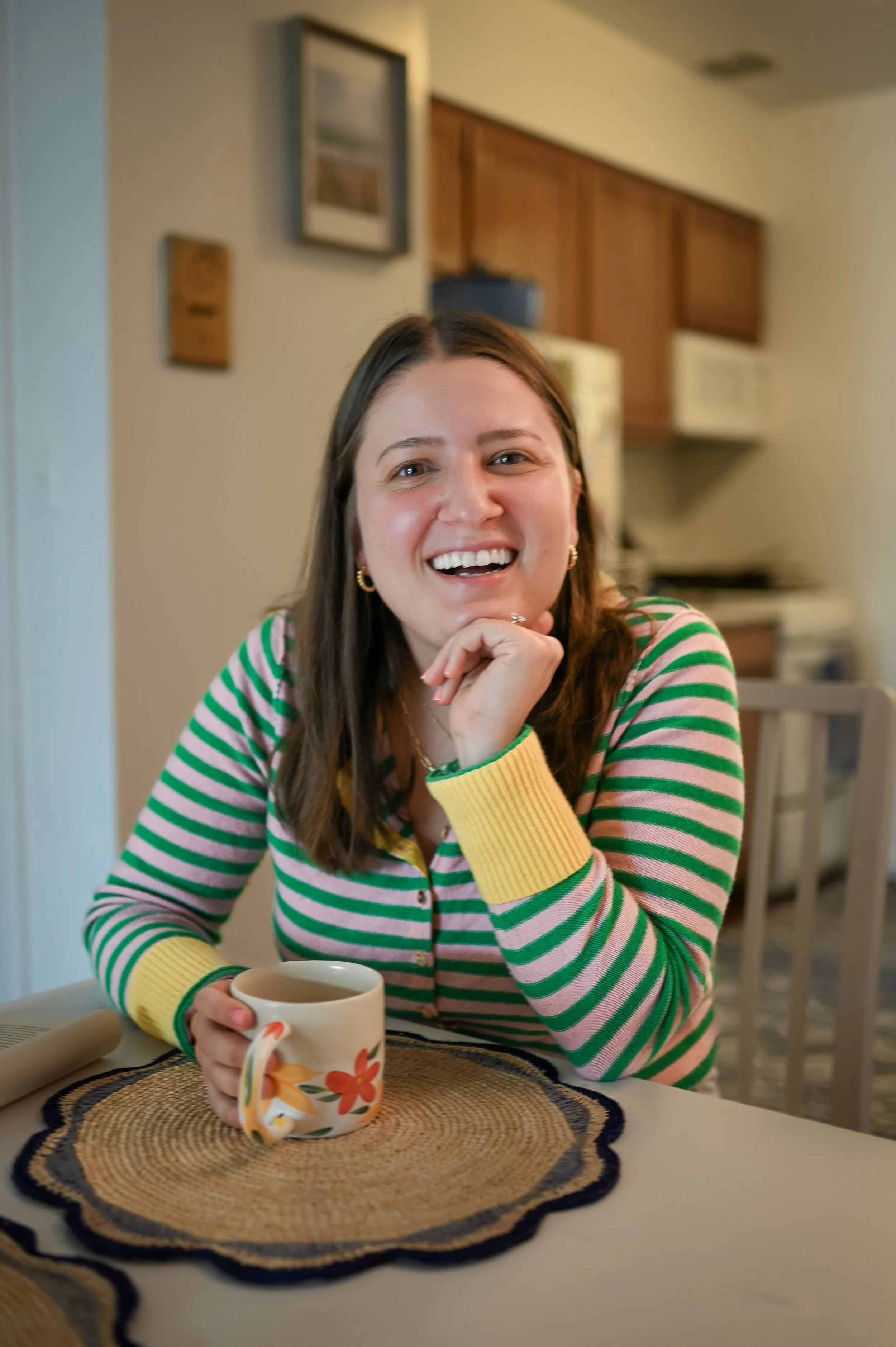
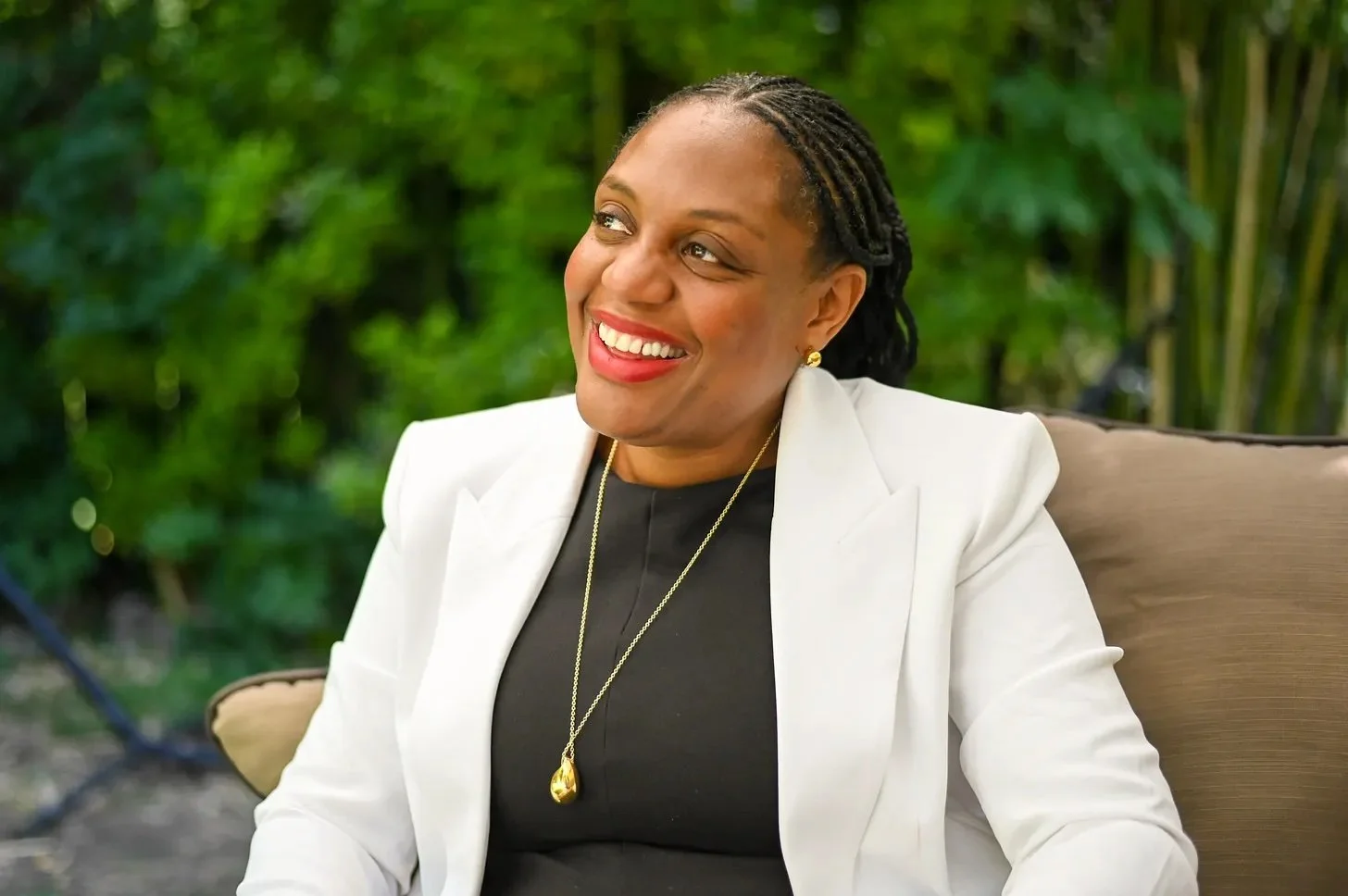
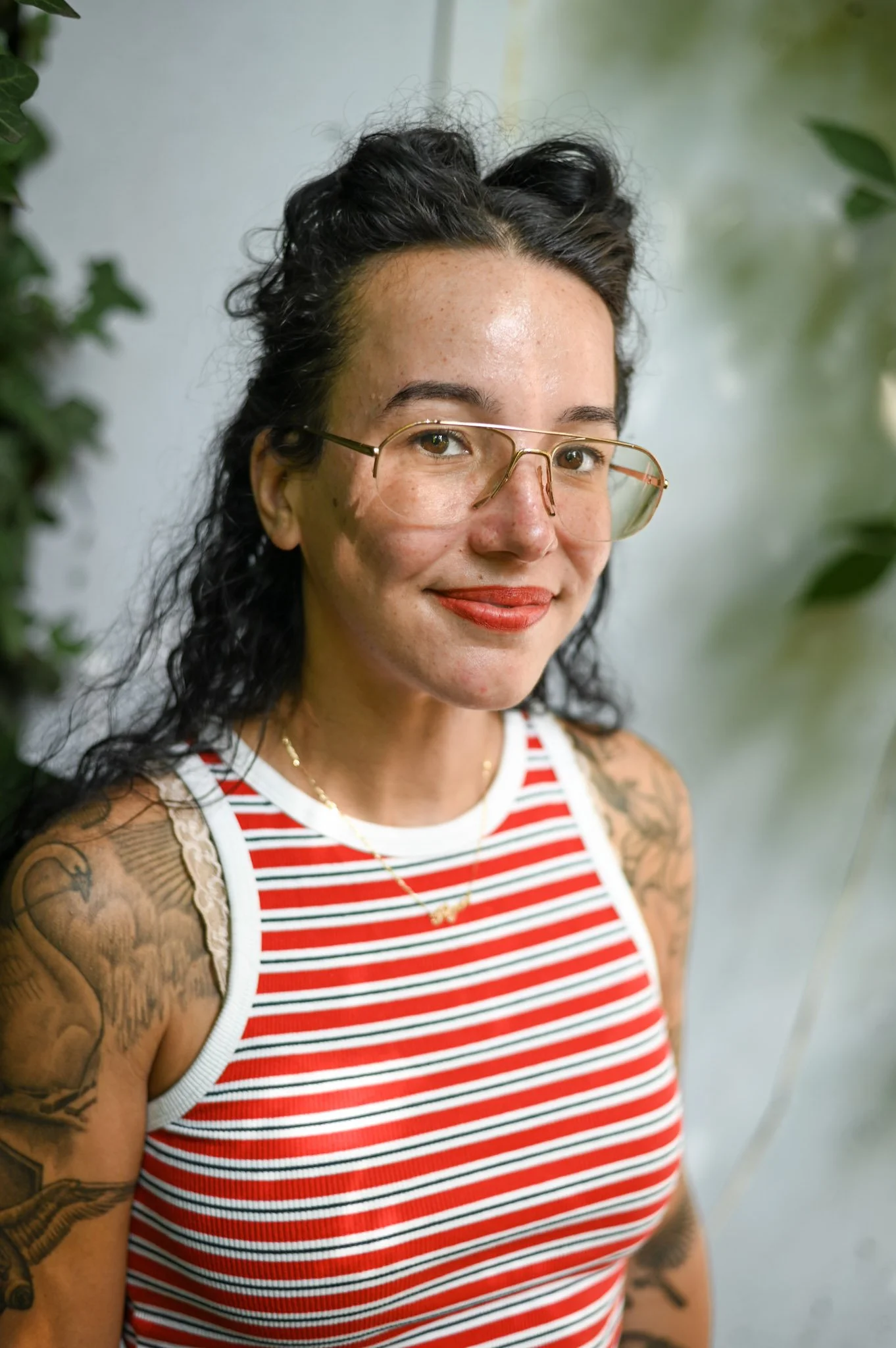
Conversational and environmental portraits made throughout each session. Not posed, not produced, but caught inside the questions as the answers form. The image carries the story before the words arrive.

Want to support Field Notes?
Field Notes is an ongoing art practice. The archive grows because people believe in what it's building before it's finished — the record of invisible labor that would otherwise disappear.
Patronage supports the work itself so it can unfold without compromise. Three patrons have already invested without conditions. That is the model.